Lorsque vous choisissez des tapis de yoga pour votre marque, le matériau est déterminant : il influence directement la performance du produit, son prix et le positionnement de votre marque sur le marché. Face à la multitude d’options disponibles, il est essentiel de bien comprendre les avantages de chaque matériau pour faire le bon choix.
Dans ce guide d'achat B2B, nous analysons les matériaux les plus courants pour les tapis de yoga, leurs avantages et leurs inconvénients, et comment les adapter à votre public cible.
1. Caoutchouc naturel : le choix par excellence

tapis de yoga en caoutchouc naturel Ils sont largement considérés comme la référence en matière de tapis de yoga haut de gamme. Fabriqués à partir de la sève de l'hévéa, ils constituent un matériau renouvelable et biodégradable qui séduit les consommateurs soucieux de l'environnement.
Principaux avantages :
- Excellente prise en main — Le caoutchouc naturel offre une adhérence exceptionnelle, même lors de pratiques dynamiques comme le yoga chaud ou le Vinyasa flow.
- Durabilité — Très résistants à la déchirure et à l'étirement, ces tapis conservent leur forme pendant des années.
- Écologique — Fabriqué à partir d'une ressource renouvelable, biodégradable en fin de vie
- Densité et stabilité — Offre une surface ferme et stable, idéale pour les exercices axés sur l'équilibre.
Idéal pour : Marques haut de gamme, studios éco-responsables et détaillants ciblant les professionnels exigeants
Considérations : Le caoutchouc naturel dégage une odeur caractéristique lorsqu'il est neuf (qui s'estompe avec le temps) et est plus lourd que les alternatives synthétiques. Il est également déconseillé aux personnes allergiques au latex.
2. PU (polyuréthane) + caoutchouc naturel : l’hybride de qualité supérieure
Cette combinaison est devenue le choix de prédilection de nombreuses marques de tapis haut de gamme. Une couche supérieure en polyuréthane est collée à une base en caoutchouc naturel, offrant ainsi le meilleur des deux mondes.
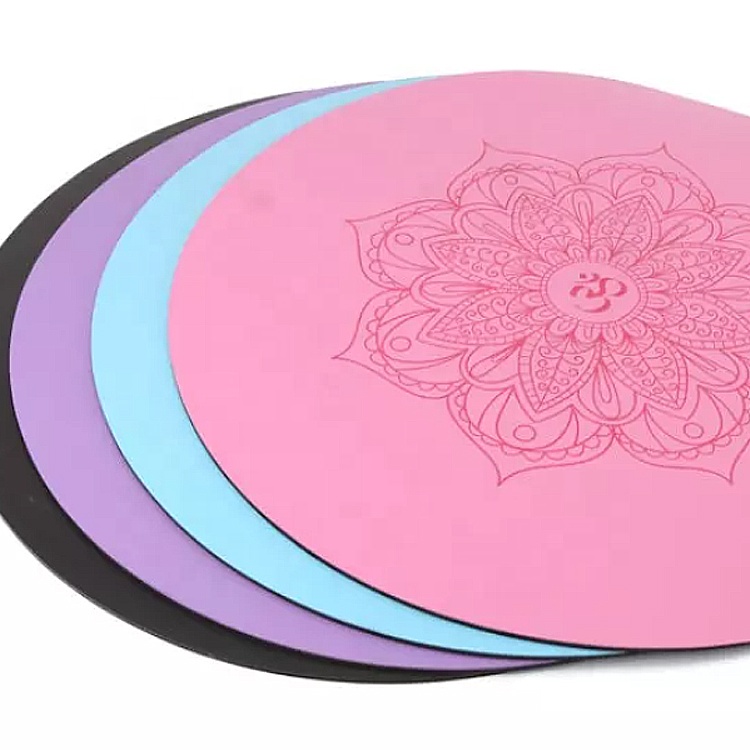
Principaux avantages :
- absorption de transpiration supérieure — tapis de yoga en polyuréthane PU et caoutchouc naturel Elle devient plus adhérente lorsqu'elle est mouillée, ce qui la rend idéale pour le yoga chaud.
- Sensation luxueuse — Une texture douce, semblable à du daim, agréable au contact de la peau
- Base écologique — La couche de caoutchouc naturel rend le tapis biodégradable
- Personnalisable — Les surfaces en polyuréthane acceptent bien l'impression et la personnalisation des logos
Idéal pour : Studios spécialisés, marques privées haut de gamme, spécialistes du yoga chaud
Considérations : Prix plus élevé ; le polyuréthane nécessite un nettoyage délicat pour conserver ses performances.
3. TPE (élastomère thermoplastique) : l'option écologique et économique
tapis de yoga en TPE sont un matériau synthétique recyclable qui offre un compromis entre coût et respect de l'environnement.
Principaux avantages :
- Léger — Facile à transporter, populaire pour les tapis de voyage
- Recyclable — Plus écologique que le PVC
- Bon amorti — Offre une absorption des chocs satisfaisante
- Abordable — Coût inférieur à celui du caoutchouc naturel ou des hybrides PU
Idéal pour : Marques d'entrée de gamme, chaînes de salles de sport, produits promotionnels, tapis de voyage
Considérations : Moins durable que le caoutchouc naturel ; ses performances peuvent être moindres en cas de forte transpiration.
4. Le liège : un choix antimicrobien naturel
Tapis de yoga et accessoires en liège (blocs, roues) ont gagné en popularité sur le marché du bien-être grâce à leurs propriétés uniques.
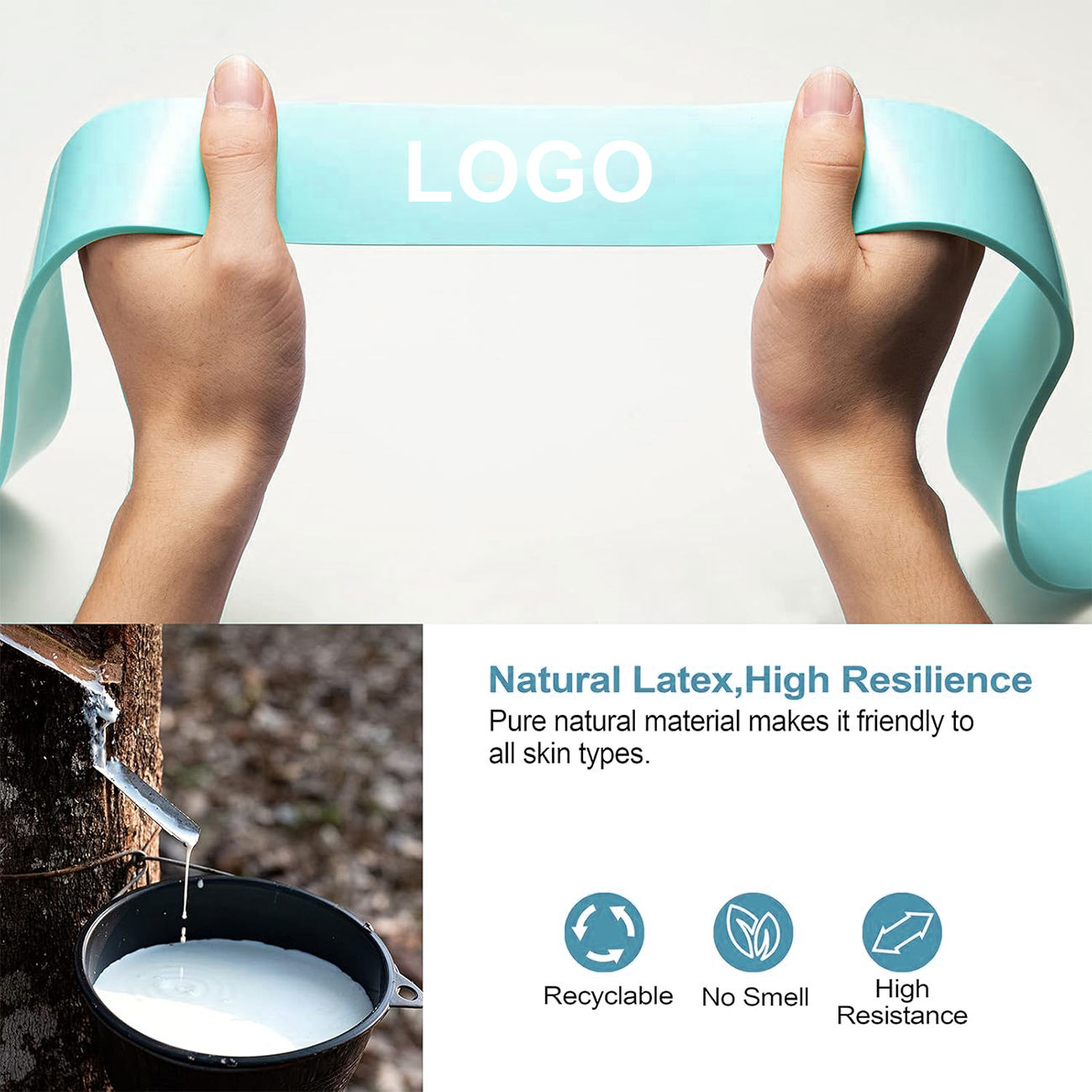
Principaux avantages :
- Naturellement antimicrobien Le liège résiste à la prolifération des bactéries et des moisissures sans traitement chimique.
- Améliore l'adhérence par temps humide — Contrairement à de nombreux matériaux, le liège devient plus adhérent avec l'humidité.
- Durable — Récolté sur des chênes-lièges sans les endommager ; l'écorce repousse.
- Hypoallergénique — Convient aux peaux sensibles et aux personnes allergiques au latex
Idéal pour : Marques éco-responsables, studios de luxe, gammes de produits axées sur le bien-être
Considérations : Le liège peut avoir tendance à s'effriter avec le temps ; il est généralement utilisé en combinaison avec une couche de base en caoutchouc ou en TPE.
5. Le PVC : un outil commercial indispensable
Malgré ses inconvénients environnementaux, le PVC reste le matériau le plus utilisé au monde pour les tapis de yoga, notamment sur les marchés économiques et institutionnels.
Principaux avantages :
- coût le plus bas — Option de matériau la plus abordable
- Très durable — Résiste exceptionnellement bien à l'usure
- Facile à nettoyer — Surface non poreuse, se nettoie rapidement
- Large disponibilité — Facile à approvisionner à grande échelle
Idéal pour : Marques à bas prix, salles de sport et centres de remise en forme, programmes promotionnels à grande échelle
Considérations : Non biodégradable ; le processus de fabrication a un impact environnemental ; adhérence moindre sur sol mouillé comparée au caoutchouc naturel ou au polyuréthane
Comparaison des matériaux en un coup d'œil
| Matériel | Poignée | Durabilité | Écologique | Gamme de prix | Cas d'utilisation optimal |
|---|
| Caoutchouc naturel | ★★★★★ | ★★★★★ | ★★★★★ | $$$$ | Commerce de détail haut de gamme, studios |
| PU + caoutchouc | ★★★★★ | ★★★★ | ★★★★ | $$$$ | Yoga chaud, premium |
| TPE | ★★★ | ★★★ | ★★★★ | $$ | Voyages, niveau débutant |
| Liège | ★★★★ | ★★★ | ★★★★★ | $$$ | Gammes écologiques, accessoires |
| PVC | ★★★ | ★★★★★ | ★ | $ | Salles de sport, vente en gros |
Comment harmoniser les matériaux avec votre marque
Pour les studios de boutique / marques haut de gamme :
Privilégiez le polyuréthane associé au caoutchouc naturel ou au liège. Ces matériaux, plus onéreux, correspondent aux valeurs de votre clientèle cible : qualité, durabilité et performance.
Pour les chaînes de salles de sport et les centres de remise en forme :
Les tapis en PVC ou en caoutchouc naturel offrent la durabilité et la facilité d'entretien nécessaires aux zones à fort passage. Envisagez de proposer une option haut de gamme en caoutchouc naturel en supplément.
Pour les marques soucieuses de l'environnement :
Le caoutchouc naturel, le liège et le TPE sont vos meilleurs choix. Mettez l'accent sur le développement durable dans votre marketing : c'est un argument qui trouve un écho particulier auprès des consommateurs d'aujourd'hui.
Pour les produits promotionnels / d'entrée de gamme :
Le TPE et le PVC permettent de maintenir des coûts maîtrisables tout en offrant des performances acceptables pour les utilisateurs occasionnels.
Pourquoi devenir partenaire d'ArchiYoga ?
Avec plus de 29 ans d'expérience dans la fabrication et des exportations vers plus de 65 pays, ArchiYoga propose :
- Gamme complète de matériaux PVC, TPE, caoutchouc naturel, PU, liège : tous ces matériaux sont disponibles pour la production sur mesure.
- Services OEM/ODM — Votre logo, votre design, vos spécifications
- options écologiques — Choix de matériaux biodégradables et durables
- MOQ flexibles — Des lots d'échantillons à la production à grande échelle
- Logistique mondiale — Expédition fiable dans le monde entier avec des délais de livraison prévisibles
Que vous lanciez une nouvelle gamme de produits ou que vous développiez une gamme existante, notre équipe peut vous aider à choisir le matériau adapté à votre marché et à votre budget.
Contactez ArchiYoga dès aujourd'hui Pour discuter de votre prochain projet de tapis de yoga, nous vous aiderons à créer un produit que vos clients adoreront.


 English
 Français
 Deutsch


 IPv6 RÉSEAU PRIS EN CHARGE